How much sleep is enough
The CDC gives adults a number to aim for. Adults aged 18 to 60 should sleep seven or more hours a night, adults aged 61 to 64 should sleep seven to nine hours, and adults aged 65 and older should sleep seven to eight hours. The CDC also says that quality matters as much as duration, and that signs of poor quality include trouble falling asleep and waking often during the night.
The bedroom the CDC describes
The CDC's habits for better sleep read like a description of a good bedroom: quiet and relaxing, and cool. The rest of its list covers the hours around the room:
- Go to bed and wake up at the same times each day.
- Turn off electronics at least 30 minutes before bed.
- Avoid large meals and alcohol before bedtime.
- Avoid caffeine in the afternoon or evening.
- Exercise regularly and eat a healthy diet.
Light, noise and heat in an apartment
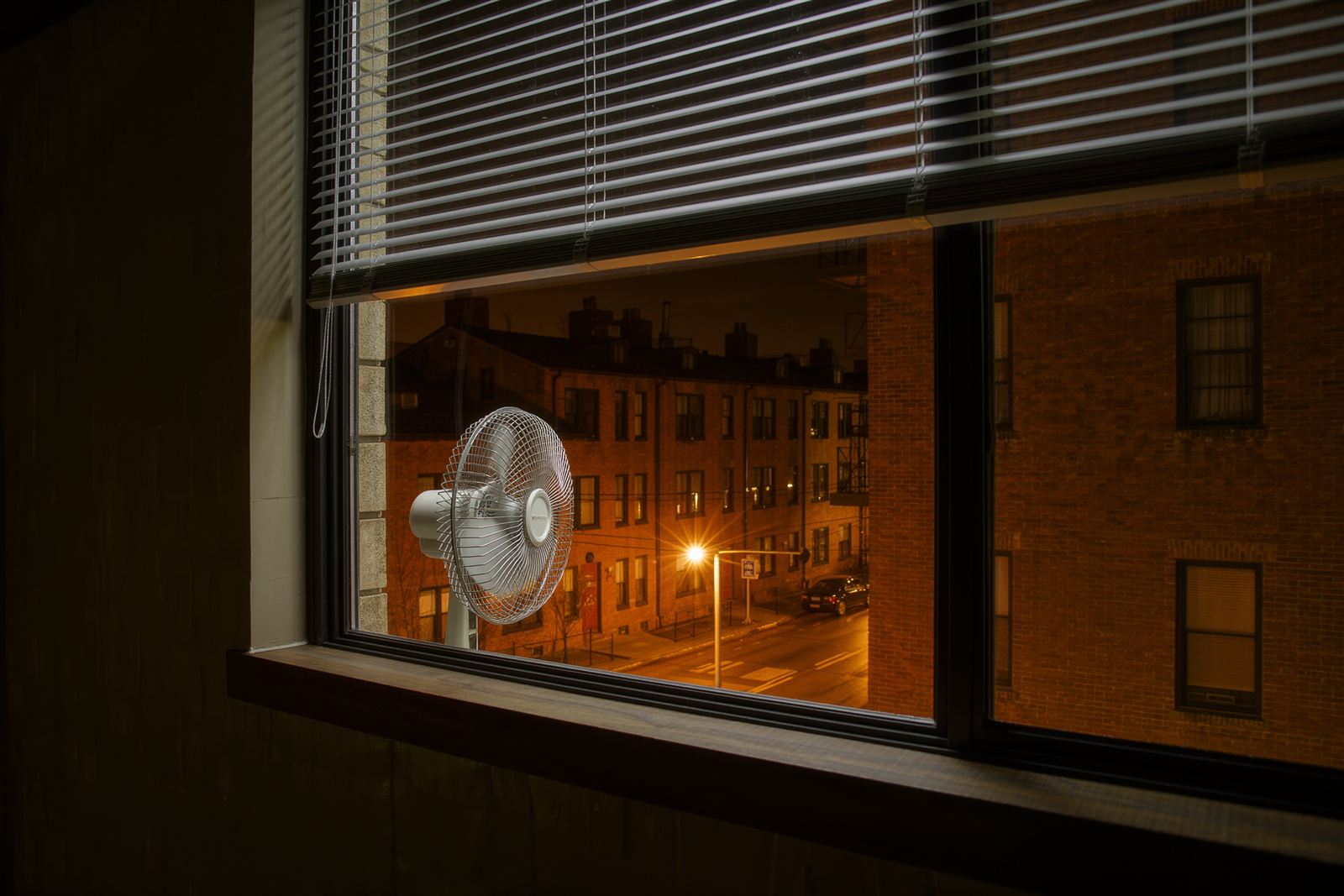
In a dense neighborhood, the three pressures on a bedroom are easy to name. Street lights and the glow of a neighboring building come through the window, so many people close blinds or curtains at night. Traffic, sirens and voices on the sidewalk come through the wall. In summer, a top-floor or south-facing room holds heat, and a fan in the window is a common response. None of these is a medical matter. They are the ordinary conditions of a city bedroom, and the CDC's "quiet" and "cool" are the target.
Reporting noise through NYC311
New York City has a Noise Code, and NYC311 takes reports of violations. Its pages separate several situations:
- Residential noise. Noise from a neighbor. NYC311 says responders can take action if the noise is still happening when they arrive.
- Street or sidewalk noise. Loud music, parties or talking on the sidewalk or street.
- Construction noise. Noise from street or building construction, including jackhammers.
A report is a way to deal with the source of the noise. It does not replace asking whether your own sleep is a concern.
When the room is not the whole story
The CDC says to talk to your healthcare provider if you regularly have trouble sleeping. A provider may use a sleep diary or a sleep study to learn more. A sleep diary is simply a written record of when you went to bed, when you woke and how the night went, and it is worth keeping for a couple of weeks before an appointment. The guide to what a sleep study is describes the next step, and the Bronx directory lists centers.
Common questions
How many hours of sleep do adults need?
The CDC says adults aged 18 to 60 should sleep seven or more hours a night, adults aged 61 to 64 seven to nine hours, and adults aged 65 and older seven to eight hours.
What does the CDC say about the bedroom?
It lists a quiet, relaxing and cool bedroom among its habits for better sleep, along with consistent bed and wake times and turning off electronics at least 30 minutes before bed.
How do I report noise in New York City?
Through NYC311, which takes reports of Noise Code violations, including residential noise, street or sidewalk noise and construction noise.
What is a sleep diary?
A written record of when you went to bed, when you woke up and how you slept. The CDC says a provider may use a sleep diary or sleep studies when you regularly have trouble sleeping.
Keep reading
- What a sleep study is
- Home sleep testing and in-lab studies
- Sleep scoring and results
- Dental sleep medicine
- Choosing a sleep center
Looking for sleep centers? See the Bronx directory or the centers in Queens and Manhattan.